
RPG Card Games vs Board Games & TTRPGs
RPG Card Games vs Board Games and TTRPGs
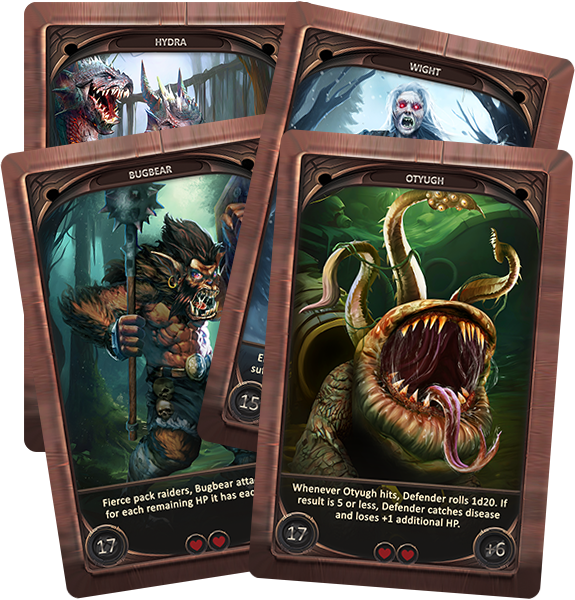
RPG card games share mechanics with both traditional board games and tabletop role-playing games (TTRPGs), yet they offer a distinct style of play. They combine strategic, card-driven gameplay with character progression, fast combat, and player choice, creating an experience that sits comfortably between the two genres.
Understanding how RPG card games differ from board games and TTRPGs can help you choose the type of adventure that best fits your interests. Whether you prefer tactical strategy, open-ended role-playing, or something in between, each format offers its own strengths, learning curve, and style of gameplay.
Readers interested in magic, monsters, quests, and card-and-dice hybrids can also explore our complete guide to fantasy board games.
RPG Card Games vs Traditional Board Games
Traditional board games are typically designed around:
-
Fixed objectives (win/lose conditions)
-
Structured turns and phases
-
Symmetrical or balanced starting states
-
Limited carryover between sessions
RPG card games, by contrast, emphasize:
-
Character-driven play rather than abstract pieces
-
Narrative progression that evolves over time
-
Asymmetrical roles or abilities
-
Ongoing consequences from earlier decisions
While many board games tell a story around the gameplay, RPG card games embed story into the mechanics themselves. Cards don’t just resolve actions—they introduce plot twists, shape the world, and define how characters grow.
In short:
-
Board games ask, “How do I win?”
-
RPG card games ask, “What happens next?”
RPG Card Games vs Tabletop RPGs (TTRPGs)
Tabletop RPGs offer unmatched freedom. Players can attempt nearly anything, guided by a game master and interpreted through rules, dice, and imagination.
RPG card games take a different approach.
They:
-
Replace open-ended improvisation with structured choices
-
Encode rules and outcomes directly onto cards
-
Reduce or eliminate the need for a dedicated game master
-
Deliver a guided narrative experience that still allows agency
This structure makes RPG card games:
-
Faster to start
-
Easier to teach
-
More consistent across sessions
-
More accessible for solo players or small groups
Where TTRPGs excel at infinite possibility, RPG card games excel at focused, repeatable adventures that fit into modern schedules.
RPG Games: A Spectrum, Not a Binary Choice
It’s helpful to think of tabletop games as existing on a spectrum:
-
Board Games → strategy and systems first
-
RPG Card Games → story and character through cards
-
TTRPGs → open narrative and imagination
RPG card games occupy the middle ground—offering enough structure to keep play moving, while preserving the tension, discovery, and progression that define role-playing.
For many players, this balance is the appeal. RPG card games deliver the essence of role-playing without the overhead that can sometimes make traditional RPGs harder to start or sustain.
Why The RPG Games Distinction Matters
As tabletop gaming has grown, so has the diversity of how people want to play. RPG card games have emerged not as a replacement for board games or TTRPGs, but as an answer to a different question:
How can role-playing fit into shorter sessions, flexible groups, and solo play—without losing its soul?
That question defines the genre—and sets the stage for how modern RPG card games continue to evolve.
RPG Card Games Compared to Board Games and TTRPGs
| Feature | Board Games | RPG Card Games | Tabletop RPGs (TTRPGs) |
|---|---|---|---|
| Primary Focus | Strategy & objectives | Asymmetric characters & progression | Open-ended storytelling |
| Core Mechanics | Boards, pieces, cards, turns | Cards as encounters, abilities & consequences | Rules, dice, imagination |
| Character Progression | Rare or session-limited | Persistent and evolving | Deep and long-term |
| Narrative Depth | Light to moderate | Light to moderate | Very high |
| Rules Complexity | Low to moderate | Low to moderate | High to Very high |
| Setup Time | Short to moderate | Short | Moderate to long |
| Game Master Required | No | No | Yes (usually) |
| Solo Play Support | Rare | Common | Rare (without adaptation) |
| Session Length | Fixed | Flexible | Often long |
| Replayability | Scenario-based | Emergent through card systems | Story-driven |
| Accessibility for New Players | High | High | Low |
| Best For | Competitive | Structure and Ease | Deep role-playing freedom |
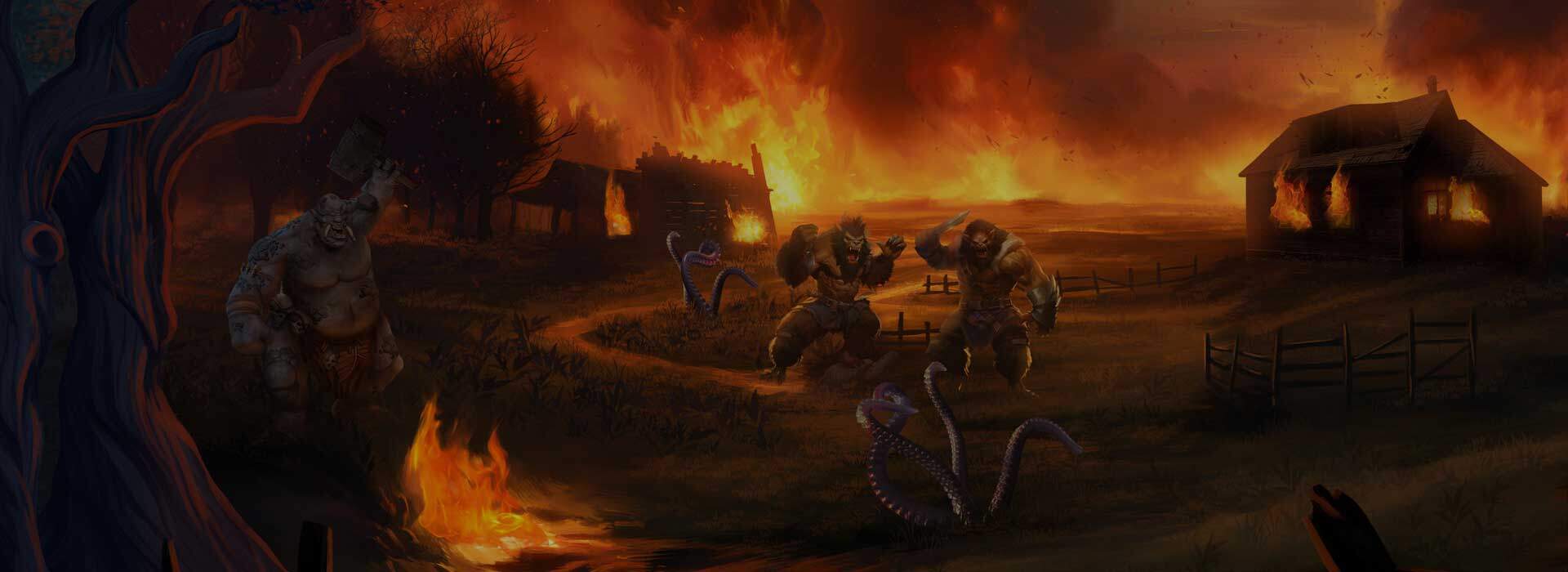

Archwynd: An Example of a Modern RPG Card Game
If the balance between traditional board games and tabletop RPGs sounds appealing, Archwynd demonstrates what a modern RPG card game can offer. Rather than requiring a game master, lengthy rulebooks, or hours of preparation, Archwynd delivers character progression, tactical combat, and meaningful story decisions through an easy-to-learn deck of beautifully illustrated cards.
Designed for Story-Driven Adventure
Every hero in Archwynd begins with unique strengths, abilities, and equipment that influence how they approach each encounter. As your adventure unfolds, you’ll recruit allies, battle dangerous enemies, discover powerful treasures, and make decisions that permanently shape your campaign.
Unlike many traditional board games where every session begins from scratch, your character continues to evolve between adventures, creating an ongoing sense of progression that feels much closer to a tabletop RPG.
Role-Playing Without the Overhead
Archwynd was created for players who enjoy fantasy adventures but don’t always have the time or group needed for a traditional tabletop RPG.
With no game master required, quick setup, and streamlined rules, it’s ideal for:
- Solo players looking for a rich fantasy campaign
- Couples or small groups
- Busy gamers who want meaningful progression in under an hour
- Board game players interested in trying role-playing mechanics
Experience the Middle Ground
As this guide has shown, RPG card games occupy a unique place between traditional board games and tabletop RPGs. They combine strategic card play with character development and narrative progression while remaining faster to learn and easier to bring to the table.
If you’re looking for a fantasy adventure that captures the excitement of role-playing without the complexity of a traditional TTRPG, Archwynd is an excellent example of what the genre can become.