
Fantasy Board Games: A Complete Guide to Magical Adventures
What Is a Fantasy Board Game?
A fantasy board game is a tabletop game set in a fantasy world—filled with magic, monsters, heroes, and quests—where players follow structured rules to make decisions, face challenges, and work toward victory (or survival). The “fantasy” part describes the setting and themes. The “board game” part describes the structured tabletop experience: turns, systems, and components that guide play.
Importantly, a fantasy board game doesn’t have to be built around a single, fixed game board. Many modern fantasy board games use cards, dice, tiles, tokens, or modular layouts to create the play space. What makes it a “board game” is the organized, repeatable system of play—not whether there’s a fold-out board in the box.
A Clear, Practical Definition
If you’re trying to decide whether something counts as a fantasy board game, here’s a simple test:
A game is usually a fantasy board game if it:
-
Is played on a table with physical components (cards, dice, tokens, boards, etc.)
-
Uses structured rules (turns, phases, actions, outcomes)
-
Is themed around fantasy (magic, mythical creatures, adventurers, dark forests, ancient ruins, and so on)
-
Creates challenges or conflicts that players must navigate strategically or cooperatively
That definition leaves room for the full range of modern tabletop design—including games where the “map” is formed by cards or tiles, and the narrative is driven by encounter decks rather than a printed campaign book.
Fantasy Board Games vs Fantasy-Themed Games
Not every fantasy-themed tabletop game is a fantasy board game in the way most people mean it. Some are closer to collectible card games. Some lean into full role-playing. Some are party games wearing a fantasy costume.
Fantasy board games tend to deliver a particular kind of experience:
-
A shared adventure (exploring, battling, surviving, escaping, uncovering)
-
Meaningful decisions (risk vs reward, resource management, timing, teamwork)
-
A sense of threat or discovery (what happens next matters)
-
Replayability (the game is designed to feel fresh across sessions)
In other words: fantasy board games aren’t just about fantasy imagery—they’re about adventure structure.
Why the Definition Matters for Modern Fantasy Board Games
The fantasy board game genre has expanded because tabletop players want fantasy experiences that fit real life:
-
shorter sessions
-
fast setup
-
easy teach
-
solo or small-group options
-
replayability without needing a long-running campaign
This is where card- and dice-driven fantasy games thrive. They deliver the feel of a fantasy quest—danger, discovery, progression, consequences—inside a board-game structure that’s approachable and repeatable.
Core Elements of Fantasy Board Games
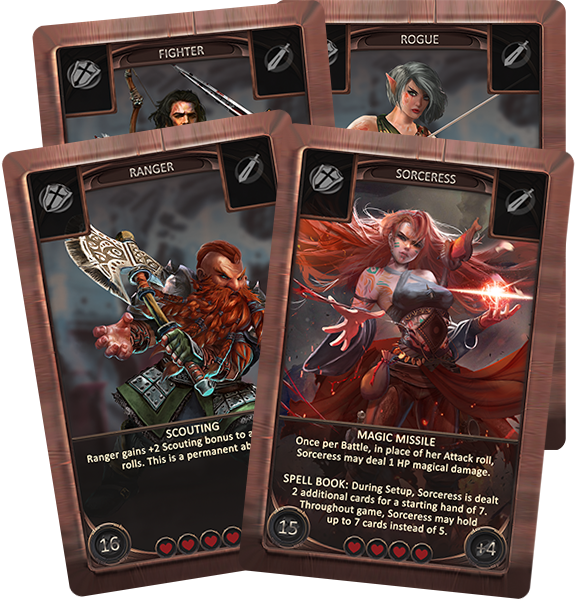
Fantasy board games vary wildly in complexity and style, but the best ones tend to share several core elements. These are the building blocks that create the “fantasy adventure” feeling at the table—whether the game is competitive, cooperative, narrative-heavy, or strategy-first.
A Fantasy World You Can Feel
A strong fantasy board game gives players a world with texture—whether it’s a kingdom on the brink, a cursed forest, a city of thieves, or a dungeon full of hungry things. This doesn’t require a novel’s worth of lore. It requires coherent identity.
Common tools fantasy board games use to create that identity:
-
distinctive factions, monsters, or cultures
-
consistent tone (heroic, grim, whimsical, mythic, gothic)
-
evocative locations and threats
-
“rules that match the world” (magic feels like magic, danger feels dangerous)
When theme and mechanics reinforce each other, players don’t just play a system—they inhabit an adventure.
Heroes, Roles, and Player Identity
Fantasy board games often shine when players feel meaningfully different from one another. That might mean:
-
distinct characters with unique strengths
-
classes or roles (tank, support, damage, trickster, healer, etc.)
-
asymmetric abilities that change decision-making
This identity is what turns a session into a story people retell later:
“Remember when the healer was out of spells and we still made the escape?”
“Remember when that one monster showed up at the worst possible time?”
Even in games that aren’t full RPGs, strong player identity creates emotional stakes.
Conflict, Risk, and Uncertainty
Fantasy is built on tension—facing what’s unknown, surviving what’s brutal, making choices under pressure. Fantasy board games capture this through systems that introduce uncertainty, typically via:
-
dice rolls
-
card draws
-
hidden information
-
escalating threat meters
-
unpredictable enemy behavior
Great fantasy board games don’t use randomness as chaos. They use it as risk—something you can manage, prepare for, or gamble against. The best moments come from deciding:
-
Do we press forward or retreat?
-
Do we spend resources now or save them for worse?
-
Do we take the safe reward or chase the big one?
That’s the heartbeat of fantasy adventure.
Encounters That Feel Like Adventure
Encounters are the “scenes” of a fantasy board game: battles, traps, ambushes, bargains, discoveries, curses, treasures, turning points. Some games deliver encounters through scenario books. Others deliver them through decks of encounters that reshuffle and recombine into new sequences each time.
Good encounter design has:
-
variety (not every challenge is “hit it until it dies”)
-
pacing (moments of pressure mixed with moments of relief)
-
consequence (what happens now affects what happens next)
-
surprise (but not unfairness)
When encounters are designed well, a game can feel like a campaign even if you only play for an hour.
Progression and Meaningful Change
Not all fantasy board games have progression, but many of the most beloved ones do. Progression can be long-term (“campaign growth”), or it can be session-based (“build your power this run”). Either way, players love a sense that their choices matter beyond a single die roll.
Progression often takes the form of:
-
upgrading abilities or gaining new ones
-
acquiring equipment or relics
-
changing the state of the world (locations unlocked, threats escalated, factions altered)
-
evolving risk/reward decisions as the game advances
This is a key reason fantasy board games stay replayable: players aren’t just repeating actions—they’re building momentum.
Replayability Through Systems, Not Just Content
Some games try to achieve replayability by adding more and more content. Strong fantasy board games often do it through systems that remix content:
-
modular encounters
-
variable setup
-
branching outcomes
-
multiple viable strategies or character combinations
-
evolving difficulty curves
Replayability matters because fantasy thrives on discovery. If every session plays the same, the world stops feeling dangerous and alive.
Accessibility Without Losing Depth
Modern fantasy board games increasingly aim for a rare balance:
-
easy to learn
-
satisfying to master
They accomplish this by putting complexity where it feels fun (choices and consequences), not where it feels like homework (rules overhead). This is why many of today’s fantasy board games lean into:
-
clear iconography
-
card-based rules delivery
-
streamlined setup
-
“teach-as-you-play” structure
This approach keeps the door open for new players while still rewarding experienced ones.
Types of Fantasy Board Games
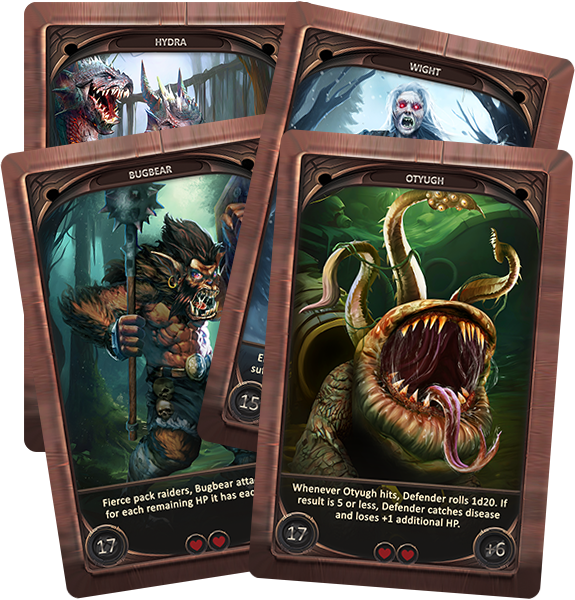
Fantasy board games span a wide range of play styles, complexity levels, and player expectations. While many games blend multiple approaches, most fall into a few recognizable categories. Understanding these types helps players quickly identify which fantasy board games align with how they actually like to play—and why different designs appeal to different audiences.
Fantasy Strategy Board Games
Fantasy strategy board games emphasize planning, optimization, and tactical decision-making within a fantasy-themed setting. Victory usually depends on how well players manage resources, control territory, or outmaneuver opponents.
Common traits include:
-
Clearly defined win conditions
-
Minimal narrative branching
-
Emphasis on efficiency and timing
-
Competitive or semi-competitive play
These games appeal to players who enjoy fantasy as a backdrop for strategic depth rather than as a narrative driver. The fantasy elements add flavor and context, but the core satisfaction comes from mastery of systems.
Fantasy Adventure Board Games
Fantasy adventure board games focus on exploration, danger, and unfolding challenges. Players move through encounters, face monsters, discover rewards, and respond to unexpected twists.
Typical characteristics:
-
Encounter-driven gameplay
-
Risk–reward decisions
-
Strong sense of progression within a session
-
Emphasis on tension and discovery
Adventure-focused fantasy board games often feel closer to a “quest” than a puzzle. The story emerges from what happens during play rather than from a prewritten script.
Cooperative Fantasy Board Games
Cooperative fantasy board games pit players against the game itself rather than against one another. Success depends on teamwork, communication, and shared decision-making.
These games commonly feature:
-
Shared objectives and consequences
-
Asymmetric player roles
-
Escalating threats or timers
-
Victory or defeat as a group
Cooperative play is especially popular in fantasy settings because it reinforces the feeling of a party of heroes facing overwhelming odds together. Many cooperative fantasy board games also support solo play by allowing one player to manage multiple roles.
Narrative-Driven Fantasy Board Games
Narrative-driven fantasy board games place story first. Mechanics exist to support storytelling, choice, and consequence rather than to optimize competition or efficiency.
Key features often include:
-
Branching outcomes based on player decisions
-
Persistent world changes
-
Moral choices with lasting effects
-
Story revealed through cards, books, or encounters
Some narrative games are campaign-based, while others deliver complete stories in shorter arcs. The defining trait is that what happens matters, not just whether players win or lose.
Solo Fantasy Board Games
Solo fantasy board games are designed for single-player experiences that still feel complete and engaging. Rather than feeling like scaled-down multiplayer games, strong solo designs treat the lone player as the intended audience.
Solo-friendly fantasy board games often rely on:
-
Automated encounters or enemies
-
Card- or table-driven decision systems
-
Clear feedback loops and progression
-
Flexible pacing
The rise of solo play has significantly influenced modern fantasy board game design, encouraging systems that are self-contained, replayable, and quick to set up.
Hybrid Fantasy Board Games (Cards, Dice, and Modular Systems)
Many modern fantasy board games don’t fit neatly into a single category. Instead, they blend elements from several approaches—often using cards and dice as the primary engines of play, rather than a fixed board.
Hybrid fantasy board games commonly feature:
-
Card-driven encounters and outcomes
-
Dice-based risk and resolution
-
Modular or abstract play spaces
-
Structured turns without requiring a game master
This hybrid approach allows designers to deliver fantasy adventure within a board-game framework, while keeping setup fast, rules approachable, and replayability high. These games often emphasize emergent storytelling—where the narrative arises from systems interacting, not from scripted scenarios.
Choosing a Type That Fits How You Play
Each type of fantasy board game delivers a different balance of:
-
Strategy vs story
-
Competition vs cooperation
-
Structure vs discovery
-
Short sessions vs extended play
There is no “best” category—only the one that best matches your preferred experience. Some players love long, strategic fantasy struggles. Others want quick adventures full of surprise. Many gravitate toward games that blend structure with storytelling in flexible, repeatable ways.
That diversity is one of the reasons fantasy board games continue to grow and evolve—offering many paths into the same sense of wonder, danger, and adventure.
Fantasy Board Games Compared to RPGs and Card Games
| Feature | Fantasy Board Games | Tabletop RPGs (TTRPGs) | Card Games |
|---|---|---|---|
| Primary Experience | Structured fantasy adventure | Open-ended role-playing | Tactical or strategic card play |
| Fantasy Setting | Central and defining | Central and defining | Often secondary or optional |
| Rules Structure | Fixed rules and turns | Flexible rules with interpretation | Fixed rules |
| Game Master Required | No | Usually yes | No |
| Narrative Delivery | Through systems and encounters | Through storytelling and improvisation | Limited or abstract |
| Player Roles | Defined roles or characters | Fully custom characters | Usually abstract or asymmetric |
| Progression | Session-based or modular | Long-term, campaign-driven | Rare or match-based |
| Randomness | Managed via cards and dice | Dice-heavy | Card-driven |
| Replayability | High through modular systems | High through story variation | High through deck variance |
| Session Length | Short to moderate | Often long | Short |
| Solo Play Support | Increasingly common | Rare without adaptation | Common |
| Learning Curve | Moderate | Moderate to high | Low to moderate |
| Setup Time | Short to moderate | Moderate to long | Short |
| Best For | Fantasy adventure with structure | Deep collaborative storytelling | Fast, focused gameplay |
How to Read This Comparison
Fantasy board games occupy a middle ground between role-playing games and card games:
-
They deliver fantasy adventure without requiring improvisation or a game master
-
They provide structured systems without sacrificing tension or discovery
-
They balance story and mechanics in a way that works for modern schedules
This is why many newer fantasy board games use cards and dice as their primary engines—allowing designers to create emergent narratives within a board-game framework.
Why This Matters
Understanding these differences helps players choose the format that best fits:
-
How much time they have
-
Whether they prefer structure or improvisation
-
Whether they play solo, cooperatively, or competitively
Fantasy board games are not replacements for RPGs or card games. They are a distinct evolution, shaped by how people want to play today.
Fantasy Board Games vs RPGs vs Card Games
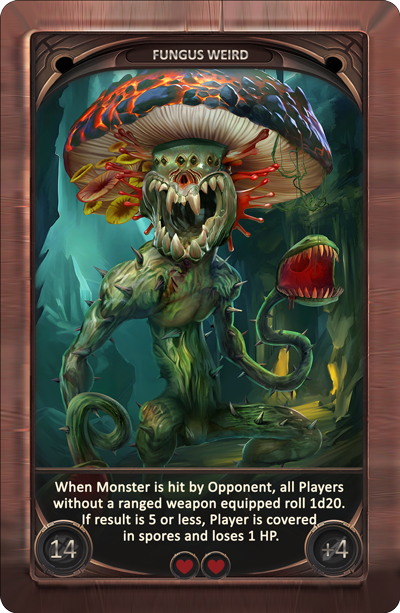
Fantasy board games are often confused with tabletop RPGs and card games because they share themes, mechanics, and sometimes even components. The differences aren’t about which format is “better,” but about how structure, storytelling, and player responsibility are handled.
Understanding these distinctions helps clarify why fantasy board games exist as their own category—and why many modern designs intentionally sit between formats.
Fantasy Board Games vs Tabletop RPGs
Tabletop RPGs (TTRPGs) are defined by open-ended role-playing. Players can attempt nearly anything, with outcomes shaped by imagination, dice, and a game master’s interpretation. This freedom is powerful—but it comes with overhead.
Fantasy board games take a different approach.
Key differences include:
-
Structure vs improvisation
Fantasy board games rely on clearly defined rules, turns, and systems. Players make choices from known options rather than inventing actions on the fly. -
System-driven narrative vs spoken narrative
In fantasy board games, the story emerges from encounters, card draws, and outcomes. In RPGs, story is created primarily through dialogue and improvisation. -
No game master required
Fantasy board games are designed to run themselves. Challenges, enemies, and consequences are handled by the game’s systems, not a referee. -
Session flexibility
Fantasy board games typically support shorter, self-contained sessions, while RPGs often thrive on long campaigns.
Fantasy board games preserve the feeling of adventure—danger, discovery, progression—while reducing the social and time commitments required by traditional RPGs.
Fantasy Board Games vs Card Games
Card games are usually built around efficiency, tactics, and repeatable matches. Even when they use fantasy themes, the fantasy often serves as flavor rather than as the core experience.
Fantasy board games differ in several important ways:
-
Narrative context
Fantasy board games use story, setting, and encounters to give meaning to actions. Card games usually abstract conflict into mechanics. -
Persistence and consequence
Choices in fantasy board games often affect future turns or sessions. Most card games reset completely after each match. -
Player identity
Fantasy board games commonly give players defined roles, characters, or asymmetric abilities tied to the world. Card games tend to focus on decks rather than personas. -
Adventure arc
Fantasy board games aim to simulate a journey—rising tension, setbacks, climactic moments—rather than isolated wins and losses.
That said, many modern fantasy board games borrow card-game elegance to streamline rules and increase replayability.
Why Fantasy Board Games Sit in the Middle
Fantasy board games intentionally occupy the space between RPGs and card games:
-
More structure than RPGs
-
More narrative than card games
-
Less preparation than RPGs
-
More consequence than most card games
This middle ground is not a compromise—it’s a design choice shaped by how people want to play today.
Players who love fantasy but:
-
don’t always have a game master
-
can’t commit to long campaigns
-
want meaningful progression without heavy rules
-
prefer systems that guide play
…often find fantasy board games to be the best fit.
A Modern Design Philosophy
As tabletop design has evolved, fantasy board games have increasingly embraced:
-
card-driven encounters instead of scripted scenarios
-
modular systems instead of fixed maps
-
emergent storytelling instead of prewritten plots
-
flexible session lengths instead of mandatory campaigns
These choices allow fantasy board games to deliver adventure with structure—a complete experience that feels rich without being demanding.
Understanding the Difference Helps You Choose Better
Fantasy board games are not trying to replace RPGs or card games. They exist because different players want different balances of:
-
freedom and structure
-
story and system
-
preparation and spontaneity
Knowing how fantasy board games differ from related formats makes it easier to choose a game that fits how—and how often—you actually want to play.
Why Fantasy Board Games Are So Popular
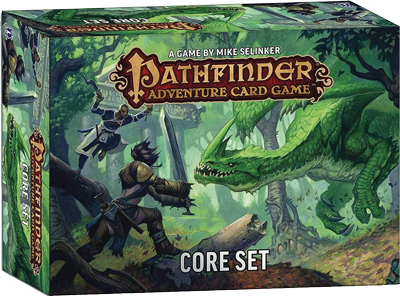
Fantasy board games have surged in popularity over the past decade—not because the fantasy genre is new, but because the way people want to experience fantasy has changed. Modern players are drawn to games that deliver adventure, tension, and discovery without demanding excessive preparation, long campaigns, or rigid schedules.
Fantasy board games sit at the intersection of imagination and structure, making them especially well suited to how people play today.
They Deliver Escapism Without Heavy Commitment
Fantasy has always been about escape: stepping into another world, facing impossible odds, and becoming someone heroic—or at least memorable—for a while.
Fantasy board games make that escape accessible:
-
No need to prepare a story or run a session
-
No expectation to stay “in character”
-
No requirement to commit to weeks or months of play
Players can experience a complete fantasy adventure in a single sitting, then return to real life without losing momentum or context.
They Balance Story and Structure
Many players love fantasy stories but don’t want to improvise dialogue or manage sprawling rule systems. Fantasy board games strike a balance by letting systems do the storytelling.
Encounters, outcomes, and twists emerge from:
-
card draws
-
dice results
-
branching choices
-
escalating threats
This creates narrative moments organically, without asking players to perform or invent content on the fly. The story unfolds because of play, not narration.
They Support Modern Social Play
Gaming habits have changed. Groups are smaller. Schedules are harder to align. Players want experiences that are social without being demanding.
Fantasy board games support this by:
-
accommodating variable player counts
-
allowing players to join or sit out sessions
-
encouraging cooperation without requiring deep role-playing
-
making setup and teardown manageable
For many groups, fantasy board games are easier to bring to the table than traditional RPGs, while still offering a shared sense of adventure.
They Are Increasingly Friendly to Solo Players
One of the biggest shifts in tabletop gaming has been the rise of solo play. Fantasy board games are particularly well suited to this format because their systems can:
-
automate enemies and encounters
-
manage pacing and escalation
-
provide meaningful decisions without social negotiation
Solo-friendly fantasy board games allow players to explore fantasy worlds on their own terms—at their own pace—without losing depth or tension.
Fantasy Board Games Offer Replayability Without Repetition
Fantasy thrives on uncertainty and discovery. Modern fantasy board games embrace this by building replayability into their systems rather than relying on fixed scripts.
Common replayability tools include:
-
modular encounters
-
randomized setups
-
branching outcomes
-
evolving difficulty
-
multiple viable strategies or roles
This ensures that each playthrough feels distinct, even when using the same components.
Fantasy Board Games Embrace Modern Design Philosophy
Today’s fantasy board games benefit from decades of design iteration. Many embrace:
-
clearer iconography
-
streamlined rules
-
teach-as-you-play structures
-
card-driven resolution systems
-
flexible session lengths
These choices make fantasy board games easier to learn and easier to return to, without stripping away the depth that fans of the genre crave.
Fantasy That Fits Real Life
The popularity of fantasy board games ultimately comes down to fit.
They fit:
-
limited time
-
changing group dynamics
-
solo and cooperative play
-
players who want immersion without obligation
Fantasy board games succeed because they respect the player’s time while still delivering wonder, danger, and meaningful choice. That balance is why the genre continues to grow—and why it appeals to both longtime fantasy fans and newcomers alike.
Where Archwynd Fits in Fantasy Board Games
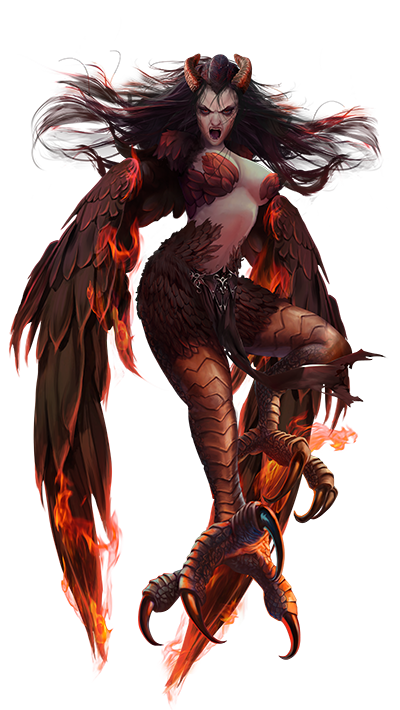
Within the broad landscape of fantasy board games, Archwynd fits most naturally among modern, hybrid fantasy board games—games that use cards and dice to deliver structured adventure without relying on a fixed board, lengthy campaigns, or a game master.
Rather than trying to replicate every element of traditional role-playing games or classic board games, Archwynd is designed around a clear idea: fantasy adventure driven by systems, not scripts.
A Board Game Experience Without a Fixed Board
While many fantasy board games center on a physical map or board, Archwynd treats the table itself as the play space. Cards reveal encounters, dangers, and opportunities; dice resolve risk and uncertainty; turns and rules provide structure.
This approach aligns with how many modern fantasy board games function today:
-
The “world” is revealed dynamically
-
The order of events is unpredictable
-
Setup is fast and repeatable
-
No two sessions unfold the same way
What matters is not the presence of a board, but the structured fantasy experience shared by the players.
Fantasy Through Encounters, Not Campaigns
Some fantasy board games focus on long, narrative campaigns with prewritten scenarios. Archwynd takes a different path, emphasizing self-contained adventures built from modular encounters.
Each session becomes a distinct journey:
-
Threats emerge through card draws
-
Choices shape outcomes
-
Consequences create tension
-
Victory is never guaranteed
This design supports replayability and flexibility while still delivering the core fantasy feeling of danger, discovery, and survival.
Structured Play Without a Game Master
Like many fantasy board games, Archwynd is built to run itself. The rules and components handle pacing, opposition, and outcomes, allowing players to focus on decisions rather than administration.
This makes the game:
-
Easier to bring to the table
-
Accessible to new players
-
Suitable for solo or group play
-
Free from the social pressure of improvisation
The experience remains immersive, but the burden of storytelling is carried by the system rather than a single player.
Fantasy That Respects Time and Attention
Archwynd reflects a modern fantasy board game philosophy:
deliver meaningful adventure without demanding excessive time or preparation.
Sessions are designed to feel complete, whether played once or revisited many times. The focus is on:
-
tension rather than exposition
-
decisions rather than dialogue
-
systems that create stories through play
This makes Archwynd compatible with the way many people enjoy fantasy today—immersive, but manageable.
Part of a Broader Evolution
Archwynd is not positioned as a replacement for classic fantasy board games, nor as a full tabletop RPG. Instead, it represents a branch of the genre that prioritizes:
-
emergent storytelling
-
replayable encounters
-
fast setup
-
flexible play modes
In that sense, it sits comfortably within the evolving definition of fantasy board games—alongside other designs that use cards, dice, and modular systems to deliver adventure in new ways.
Archwynd Fits Within the Fantasy Board Game Genre
When viewed through the lens of modern fantasy board games, Archwynd fits not because it mimics older formats, but because it embraces what the genre has become: fantasy experiences shaped by play, not paperwork.
How to Choose the Right Fantasy Board Game
With so many fantasy board games available, choosing the right one comes down to understanding how you like to play, not just which titles are popular. Fantasy board games vary widely in complexity, structure, and focus, and the best experience is the one that fits naturally into your preferences, schedule, and group dynamics.
Consider How Much Time You Want to Commit
Fantasy board games range from quick, self-contained adventures to multi-session experiences. Before choosing, think about:
-
How long you want a typical session to last
-
Whether you prefer one-off play or repeat sessions
-
How easily you can pause and resume play
Games designed around modular encounters or standalone sessions tend to be more flexible, while campaign-based games reward long-term commitment.
Decide How You Want to Play: Solo, Cooperative, or Competitive
Different fantasy board games are built for different social experiences.
-
Solo play offers quiet exploration and self-paced decision-making.
-
Cooperative play emphasizes teamwork and shared problem-solving.
-
Competitive play focuses on strategy, tension, and player interaction.
Some fantasy board games support multiple modes, while others excel at one. Choosing a game that matches your preferred mode leads to a more satisfying experience.
Balance Narrative and Structure
Fantasy board games exist on a spectrum between story and system.
Ask yourself:
-
Do you want strong narrative prompts or minimal story framing?
-
Do you enjoy making choices with lasting consequences?
-
Do you prefer guided encounters or open-ended play?
Games that rely on system-driven storytelling allow narratives to emerge naturally, while others lean into scripted or scenario-based stories.
Evaluate Complexity and Learning Curve
Not all fantasy board games require the same level of rules mastery.
Consider:
-
How quickly you want to start playing
-
Whether you enjoy learning detailed systems
-
How much explanation your group is comfortable with
Modern fantasy board games often aim to be approachable while still offering depth through repeated play.
Look for Replayability and Variety
Replayability is especially important in fantasy board games. The most engaging designs offer:
-
Randomized or modular setups
-
Variable encounters or outcomes
-
Multiple viable strategies or roles
Replayable systems ensure that the game remains engaging over time rather than feeling solved after a few sessions.
Think About Your Play Space and Setup
Practical considerations matter:
-
Table space available
-
Storage and portability
-
Setup and teardown time
Fantasy board games that use cards and modular components often fit more easily into everyday play environments.
Choose a Game You’ll Actually Bring to the Table
The best fantasy board game isn’t necessarily the most complex or most celebrated—it’s the one you’ll want to play again.
A game that respects your time, fits your group, and delivers meaningful fantasy moments is far more likely to become a regular part of your tabletop rotation.
Frequently Asked Questions About Fantasy Board Games
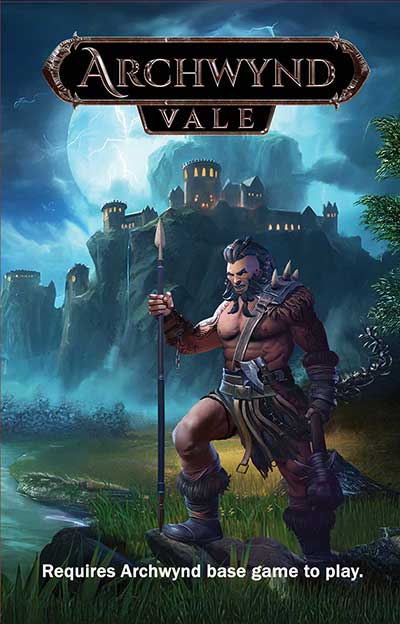
The following are questions and answers that gamers often have regarding Fantasy Board Games:
What makes a board game a fantasy board game?
A board game is considered a fantasy board game when its setting and mechanics revolve around fantasy elements such as magic, mythical creatures, heroic roles, quests, or imagined worlds. While components can vary, the defining factor is that the game delivers a structured fantasy experience through rules and systems rather than freeform storytelling.
Do fantasy board games always use a physical board?
No. Many modern fantasy board games do not rely on a fixed board. Instead, they may use cards, tiles, or modular components to create the play space dynamically. What matters is the organized tabletop structure, not the presence of a traditional board.
Are fantasy board games the same as role-playing games?
Fantasy board games and role-playing games share themes but differ in structure. Fantasy board games use predefined rules and systems to guide play, while role-playing games rely more on improvisation and a game master. Fantasy board games offer adventure with structure, whereas RPGs emphasize narrative freedom.
Can fantasy board games be played solo?
Yes. Many fantasy board games are designed to support solo play. Systems such as automated encounters, card-driven challenges, and structured decision-making allow solo players to experience meaningful fantasy adventures without needing a group.
Are fantasy board games good for beginners?
That depends on the game. Many fantasy board games are beginner-friendly. Modern designs often feature streamlined rules, clear iconography, and teach-as-you-play mechanics. These elements make it easier for new players to enjoy fantasy themes without being overwhelmed by complexity.
How long does a fantasy board game usually take to play?
Session length varies widely. Some fantasy board games can be completed in under an hour, while others are designed for longer sessions or repeat play. Many modern games aim for flexible session lengths that fit into busy schedules.
What’s the difference between fantasy board games and fantasy card games?
Fantasy board games focus on a complete tabletop experience with structured systems, progression, and encounters. Fantasy card games may emphasize deck-building or tactical card play. However, many modern fantasy board games use cards as their primary components while still delivering a board-game-style experience.
Where does Archwynd fit among fantasy board games?
Archwynd fits within the fantasy board game genre as a card- and dice-driven adventure game. It delivers structured fantasy encounters and emergent storytelling without requiring a fixed board, long campaigns, or a game master.
Are fantasy board games replayable?
Most fantasy board games are designed for replayability. Randomized setups, modular encounters, and evolving challenges ensure that each session can unfold differently, keeping the experience fresh over time.
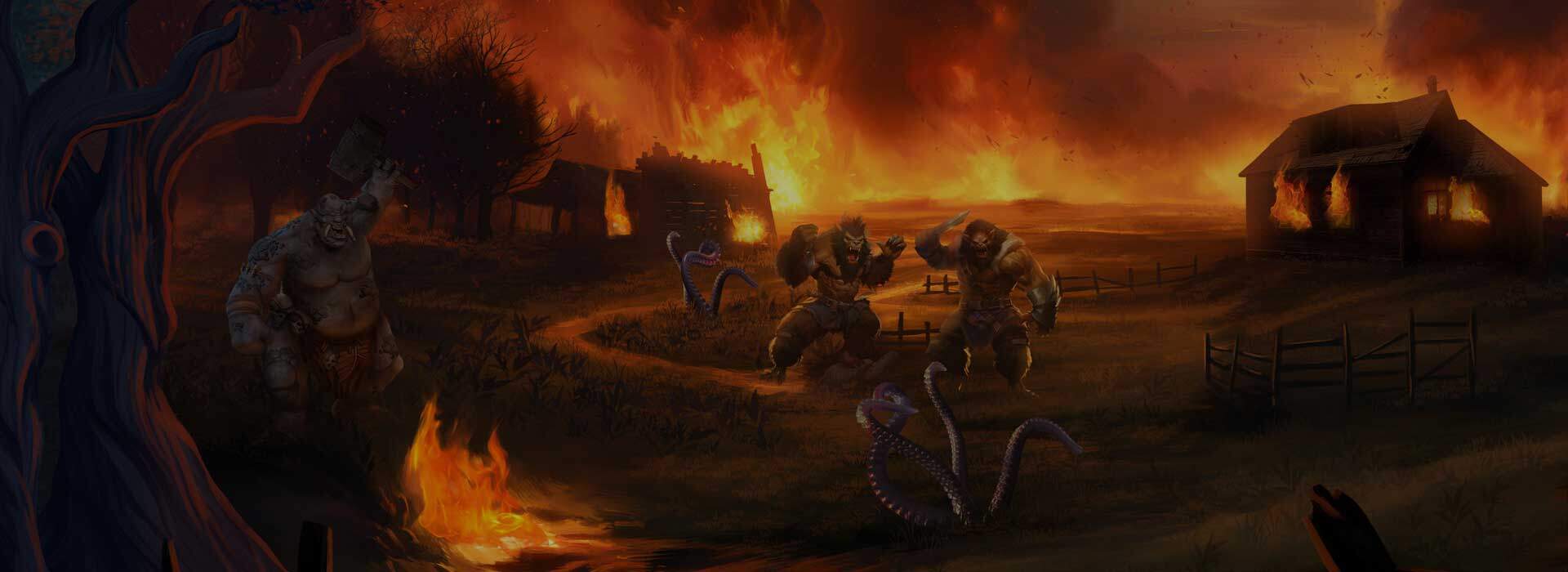

Archwynd: Forge Your Fate in the Realm of Fantasy Card Games
Welcome to the mesmerizing world of “Archwynd,” where you’ll step into a realm of magic, heroes, and an epic mission to save the world from a monstrous invasion. This extraordinary fantasy role-playing card game combines the allure of traditional tabletop RPGs and strategic card gaming, allowing you to shape your destiny with each card you play. Dive into the enchanting universe of “Archwynd,” a game that captures the essence of fantasy card games.
What Makes “Archwynd” the Perfect Fantasy Card Game?
Immediate Playability: “Archwynd” offers players the ability to immediately begin playing, with zero preparation and no need for a dungeon master or game master. You play the protagonist, making critical decisions that shape your adventure. While Archwynd is based on game mechanics similar to Dungeons & Dragons or Pathfinder Roleplaying Game, Archwynd’s rules can be learned in five minutes, making it one of the most-accessible fantasy card games.
Character Customization: Craft your hero from a wide array of cards, each representing unique skills, abilities, and equipment. As you venture forth, your character evolves, providing a deeply personalized gaming experience. Each game is unique, as you draw cards randomly from a deck.
Strategic Decisions: Playing cards and using your Character’s abilities is key in “Archwynd.” Choose a Character that reflects your playstyle: will you brute force your way through combat, or be cunning and fast on your feet — or rely on magic to do damage from afar? As you draw cards to equip your Character, use your playstyle to make decisions spanning strategy, equipment, spells and special abilities for maximum effect.
Artistry and Lore: Every card is a unique piece of custom artwork. Marvel at the exquisite art and admire the rich lore upon which each of the Characters and Monsters of Archwynd are based. Absolutely no AI was used in the creation of the artwork, making each visual a unique and customized experience. Each card is based on the rich history of fantasy role playing games, adding layers of depth and enchantment to your gaming experience.
Roleplaying without the Complexity or Time Commitment
For an in-depth understanding of the fantasy card gaming genre and why “Archwynd” is a must-try for roleplayers and card enthusiasts alike, feel free to explore our articles on Fantasy Card Games and Role Playing Card Games. These articles offer valuable insights into the genre and the excitement it brings to players of all levels.
Prepare to embark on epic adventures, define your path, and become the hero of your own saga with “Archwynd.” Whether you’re a seasoned roleplayer or a newcomer to the world of card-based adventures, this game promises an unparalleled experience that will keep you enthralled for years to come. Secure your copy of Archwynd today and embark on a journey into the fantastical world of fantasy role-playing card games.