
Learning how to play a role-playing game begins with understanding its basic idea: you take on the role of a character, make decisions for that character, and work toward objectives within an imagined world. Depending on the game, dice, cards, rules, or a game master determine what happens after you make each choice.
Role-playing games come in several forms. Traditional tabletop RPGs such as Dungeons & Dragons use a game master to guide an ongoing story, while RPG card and board games provide structured encounters that can often be played in a single session. This beginner’s guide will help you choose the right kind of RPG, understand your role, identify your objectives, and begin playing without feeling overwhelmed.
Choose the Right Type of Role-Playing Game
Before learning specific rules, decide what kind of experience you want. Some role-playing games deliver a complete adventure in one sitting, while others are designed for stories that continue across many sessions.
Single-Session RPGs
A single-session game is a good choice when you want to start quickly, play with different groups, or complete an adventure in one evening. RPG card and board games generally provide the characters, encounters, and objectives, reducing the preparation required before play begins.
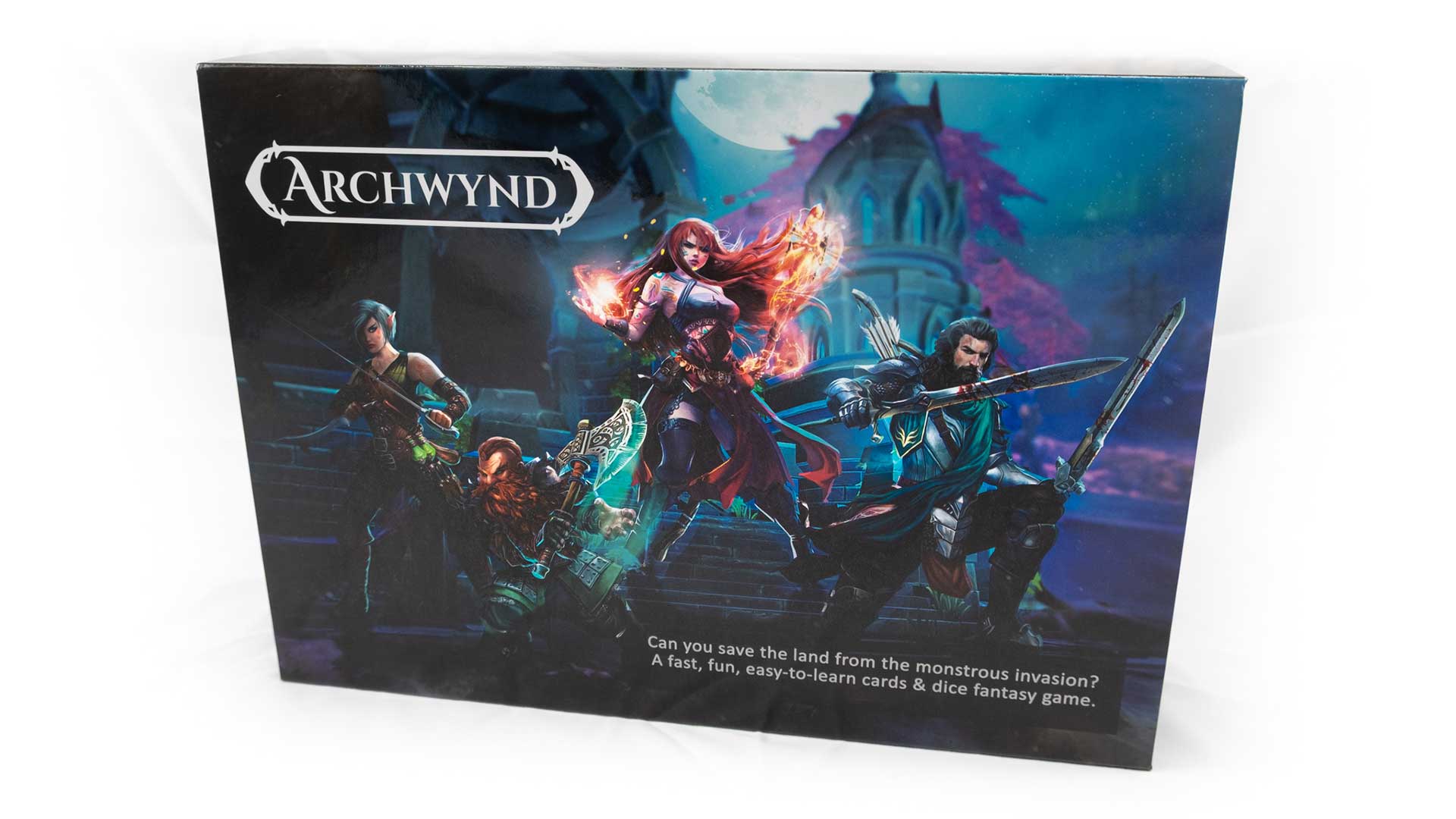
Archwynd, for example, provides a fantasy RPG experience for one to four players, takes approximately five minutes to learn, and can be completed in 20 to 40 minutes. Players choose a character, equip themselves with weapons and magic, battle monsters, and try to survive the invasion.
Ongoing Tabletop RPGs
Traditional tabletop RPGs such as Dungeons & Dragons, Pathfinder, and Numenera can support adventures that continue for months or even years. Players create characters who develop over time, while a game master prepares situations, portrays other characters, and guides the shared story.
These games offer tremendous freedom and depth, but they generally require more preparation, a longer rulebook, and a group willing to meet regularly. Many can also be played as a one-session adventure—often called a “one-shot”—before committing to a longer campaign.
Understand Your Character and Role
In a role-playing game, you experience the action through a character. That character may be someone you create from scratch or a ready-to-play hero provided by the game.
Traditional tabletop RPGs such as Dungeons & Dragons and Pathfinder offer extensive character creation. You may choose a character class, ancestry, abilities, equipment, personality, and backstory. Beginners do not need to master every option. Start with a character concept that sounds enjoyable and learn the finer details through play.
Focus first on three questions:
- What is my character especially good at?
- Which abilities can I use during play?
- How can my character contribute to the group or overcome challenges?
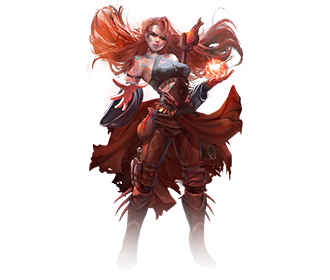
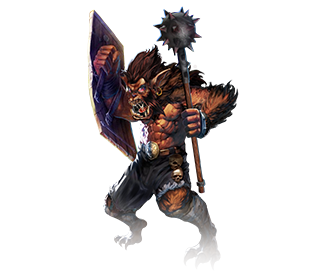
RPG card and board games often simplify this process by providing established characters with clearly defined strengths. Instead of spending a long time building a character, you select a role that matches your preferred style and begin playing. You might choose a durable fighter, an agile rogue, a precise ranger, or a magic-wielding sorceress.
Learn the Objective and Basic Gameplay Loop
Every role-playing game has its own rules, but most follow a similar pattern:
- The game presents a situation or challenge.
- You decide what your character will do.
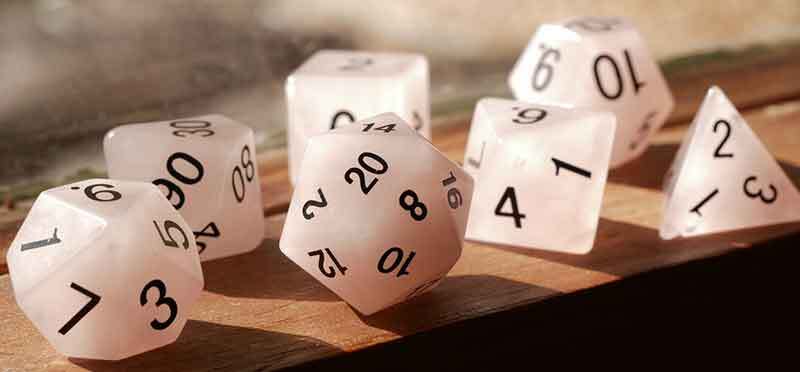
- Dice, cards, rules, or a game master determine the outcome.
- The situation changes, and you decide what to do next.
Your objective gives those decisions direction. In a traditional tabletop RPG, a game master might ask your party to locate a missing villager, explore a dangerous ruin, or defeat a powerful enemy. You pursue that larger goal while responding to encounters and complications along the way.
In an RPG card game, the objectives and encounters are built into the game. In Archwynd, for example, players draw equipment and abilities, decide whether and how to battle invading monsters, and try to remain the last adventurer standing.
You do not need to memorize every possible rule before beginning. Learn your immediate objective, understand the actions available to your character, and allow the gameplay loop to teach you the rest.
Start Playing and Learn as You Go
The fastest way to understand a role-playing game is to begin making decisions within one. You do not need encyclopedic knowledge of the rules, an elaborate character history, or years of gaming experience. Choose an approachable game, learn what your character can do, and focus on the immediate objective in front of you.
If you want an ongoing collaborative story, look for a beginner-friendly tabletop RPG group or introductory adventure. If you prefer a faster experience with the characters, encounters, and objectives already provided, an RPG card game can offer an easier place to begin.