
In an asymmetric card game, players follow the same basic rules but begin with different characters, abilities, decks, resources, or objectives. Instead of competing with identical tools, each player must learn how to use their particular strengths—and how to counter the advantages available to everyone else.
That difference can make every role feel distinct and every matchup play differently. Asymmetric design is especially effective in RPG card games, where unique characters and abilities let players approach the same adventure in very different ways. This guide explains how asymmetric card games work, how they differ from symmetrical games, and why unequal powers can produce surprisingly balanced and replayable gameplay.
How Asymmetric Card Games Work
Asymmetry can take several forms. Players might control characters with different powers, use decks containing different cards, begin with different resources, or even pursue different paths to victory. Everyone still operates within a shared rules system, but each role presents its own opportunities, limitations, and strategic decisions.
Not every difference automatically makes a game asymmetric. Choosing different cards from a shared deck, for example, may simply reflect player preference. True asymmetry occurs when meaningful differences are intentionally built into the roles, factions, decks, or objectives available to each player.
The Appeal of Asymmetric Card Games
The appeal of asymmetric card games lies in their ability to offer a personalized and varied gameplay experience. Players can explore different strategies and tactics based on their unique abilities, leading to a game that feels fresh and engaging with each playthrough. This variability encourages creativity, strategic thinking, and adaptability, as players must not only master their own capabilities but also anticipate and counteract the strategies of their opponents.
Types of Players Attracted to Asymmetric Card Games
Asymmetric card games appeal to a wide array of players, particularly those who enjoy deep strategic gameplay, storytelling, and role-playing elements. These games attract:
- Strategic thinkers: Players who relish the challenge of devising and executing complex strategies tailored to their unique abilities.
- Creative players: Individuals who enjoy exploring different character roles and the narrative possibilities within the game.
- Competitive gamers: Players who seek a dynamic competitive environment where understanding and outmaneuvering opponents are crucial to victory.
- Social gamers: Those who appreciate the interaction and negotiation aspects that arise from the diverse play styles and objectives of each player.
Asymmetric vs. Symmetrical Games: What’s the Difference?
In a symmetrical game, players begin with equivalent pieces, abilities, resources, and objectives. Chess is a classic example: both players command the same types of pieces and pursue the same victory condition. The competition is primarily determined by how skillfully each player uses those shared tools.
In an asymmetric game, the available tools or objectives differ by player. One character might rely on strength while another depends on speed, magic, defense, or manipulation. The challenge comes from mastering your own advantages while learning how the other roles operate. Neither design is inherently better; they create different kinds of strategy and player experiences.
Examples and Degrees of Asymmetry
- Android: Netrunner: One player represents a powerful corporation while the other plays a resourceful hacker known as the Runner. The two sides use different cards, take different actions, and pursue victory in fundamentally different ways, making this one of the clearest examples of asymmetric card-game design.
- Root: Although primarily a board game, Root demonstrates deep faction asymmetry. Each faction follows its own rules, uses different abilities, and approaches victory through a distinct strategy. Its cards support those systems rather than making Root a traditional card game.
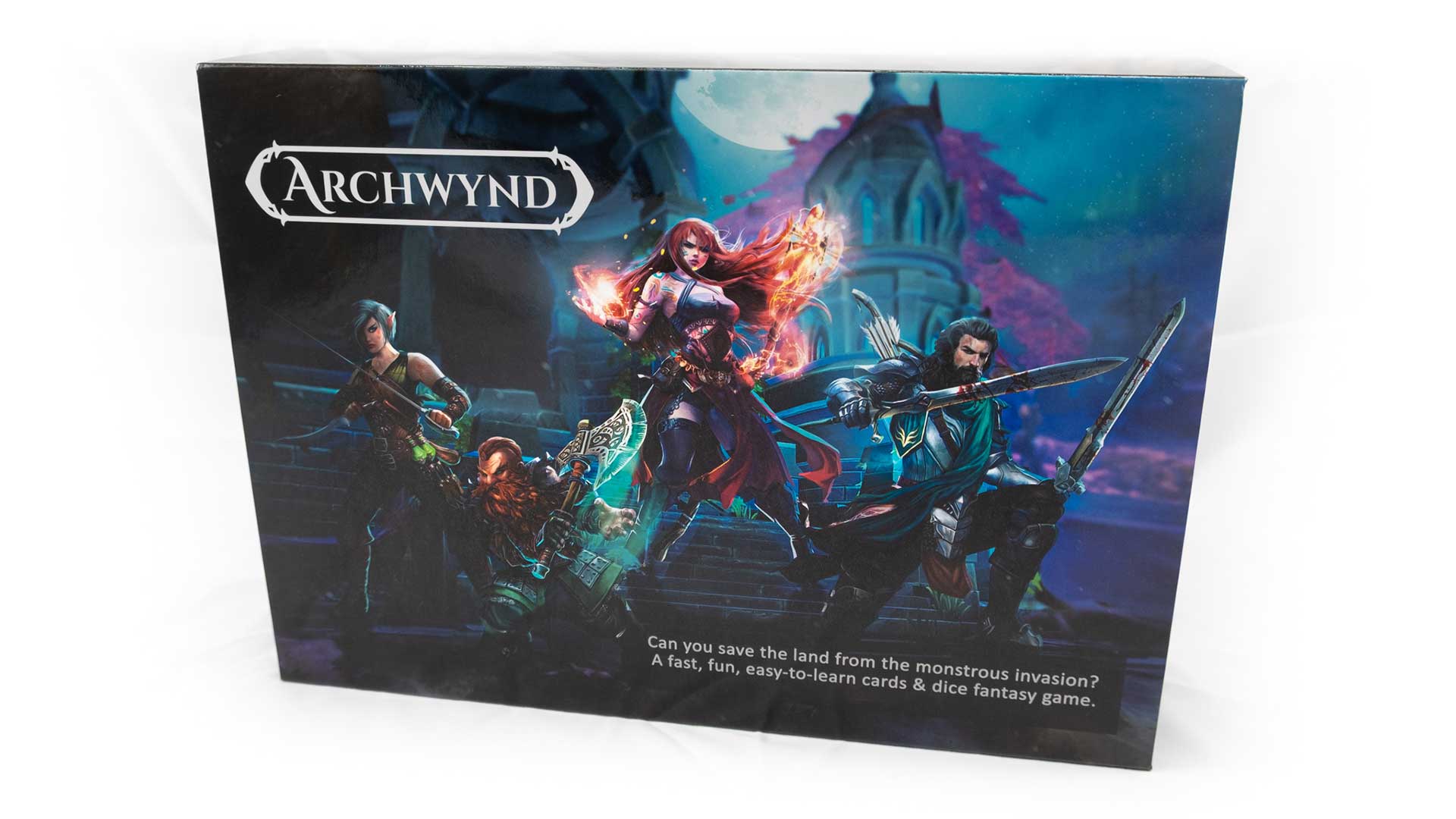
- Archwynd: Players assume the roles of fantasy adventurers with different abilities and tactical strengths. Those character differences allow each player to approach the same monstrous invasion differently, creating RPG-style asymmetry without requiring a dungeon master or advance preparation.
- Magic: The Gathering: Magic occupies a middle ground. Players follow the same rules and generally pursue the same objective, but individually constructed decks can differ dramatically in colors, cards, mechanics, and strategy. It therefore illustrates how a game can incorporate asymmetric elements without being fully asymmetric.
Examples of Symmetrical Games:
- Exploding Kittens: As a symmetrical game, players draw from a common, central card deck, and start the game with no special abilities that differentiate from any other player. For more information check out the Exploding Kittens website.
- Chess: The epitome of symmetrical gameplay, where both players have the same pieces with the same moves available, differing only in strategy. Check out the Official U.S. Chess Federation website.
How Archwynd Uses Asymmetric Character Design
Archwynd gives players four distinct character choices: the Fighter, Ranger, Rogue, and Sorceress. Each character favors a different approach to combat and survival. The Fighter relies on strength, the Ranger attacks with speed and precision, the Rogue uses cunning and agility, and the Sorceress wields magic from a distance.
Everyone faces the same invading monsters and pursues the same ultimate goal, but each character’s strengths affect which equipment, tactics, and risks are most valuable. This creates meaningful asymmetry while keeping the core rules consistent and easy to learn.
If you enjoy fantasy role-playing and want distinct character choices without lengthy preparation or a dungeon master, you can try Archwynd with the free downloadable sample game.
Conclusion
Asymmetric card games offer a dynamic and enriching addition to the landscape of game design, captivating players with their depth, variety, and strategic complexity. By fostering unique play experiences and encouraging strategic diversity, these games have carved a niche that appeals to a broad spectrum of gamers. As the gaming industry continues to evolve, the exploration of asymmetric design principles promises to unlock new realms of creativity and engagement, ensuring that the world of gaming remains as vibrant and diverse as the players it serves.